Combination Prints
'Combination Printing' was a neologism used in the 19th century for identifying what came to be known as 'photo-montage'. Produced by using two or more photographic negatives as a singular image 'combination printing' was discovered and utilised as a technique by Hippolyte Bayard.
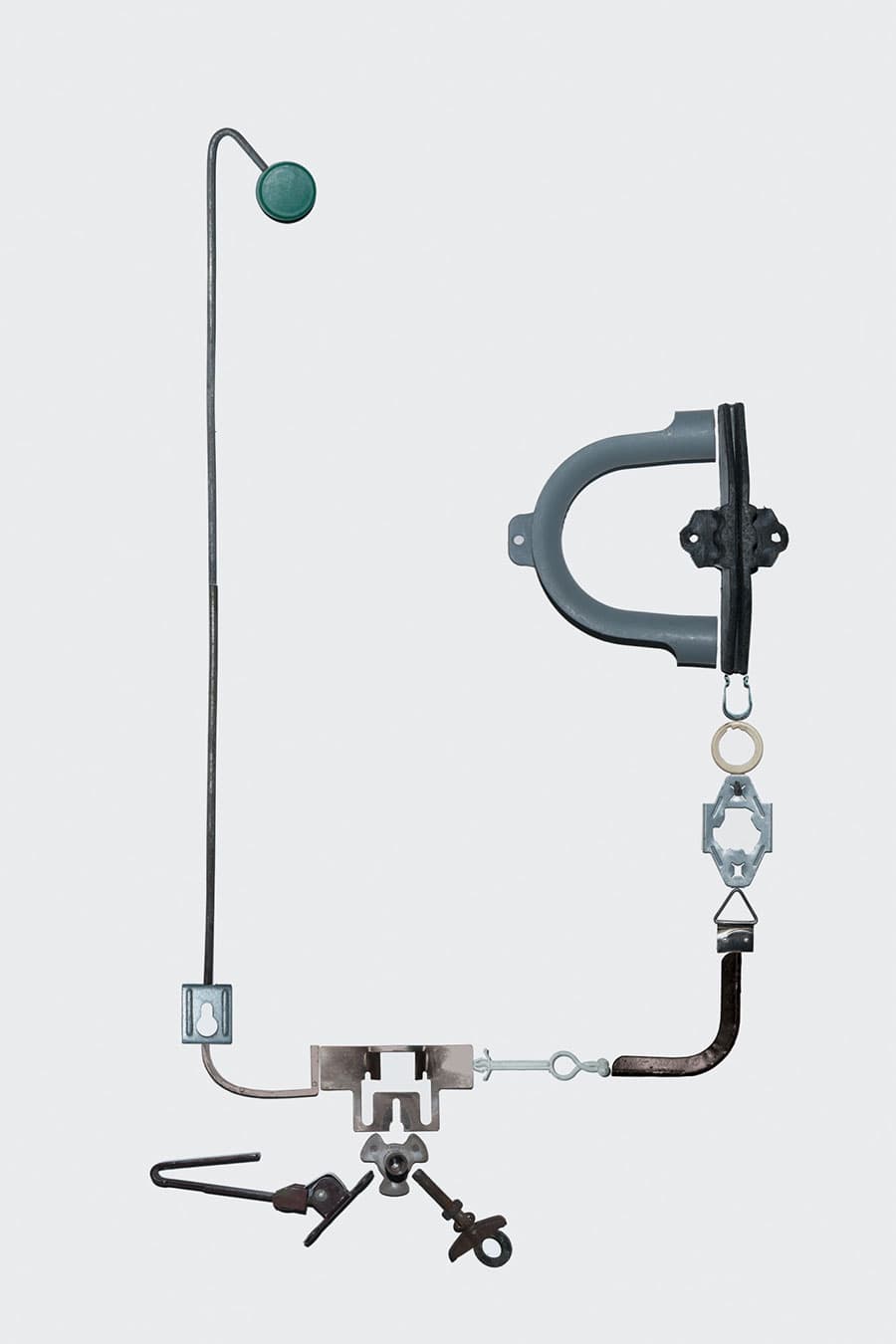
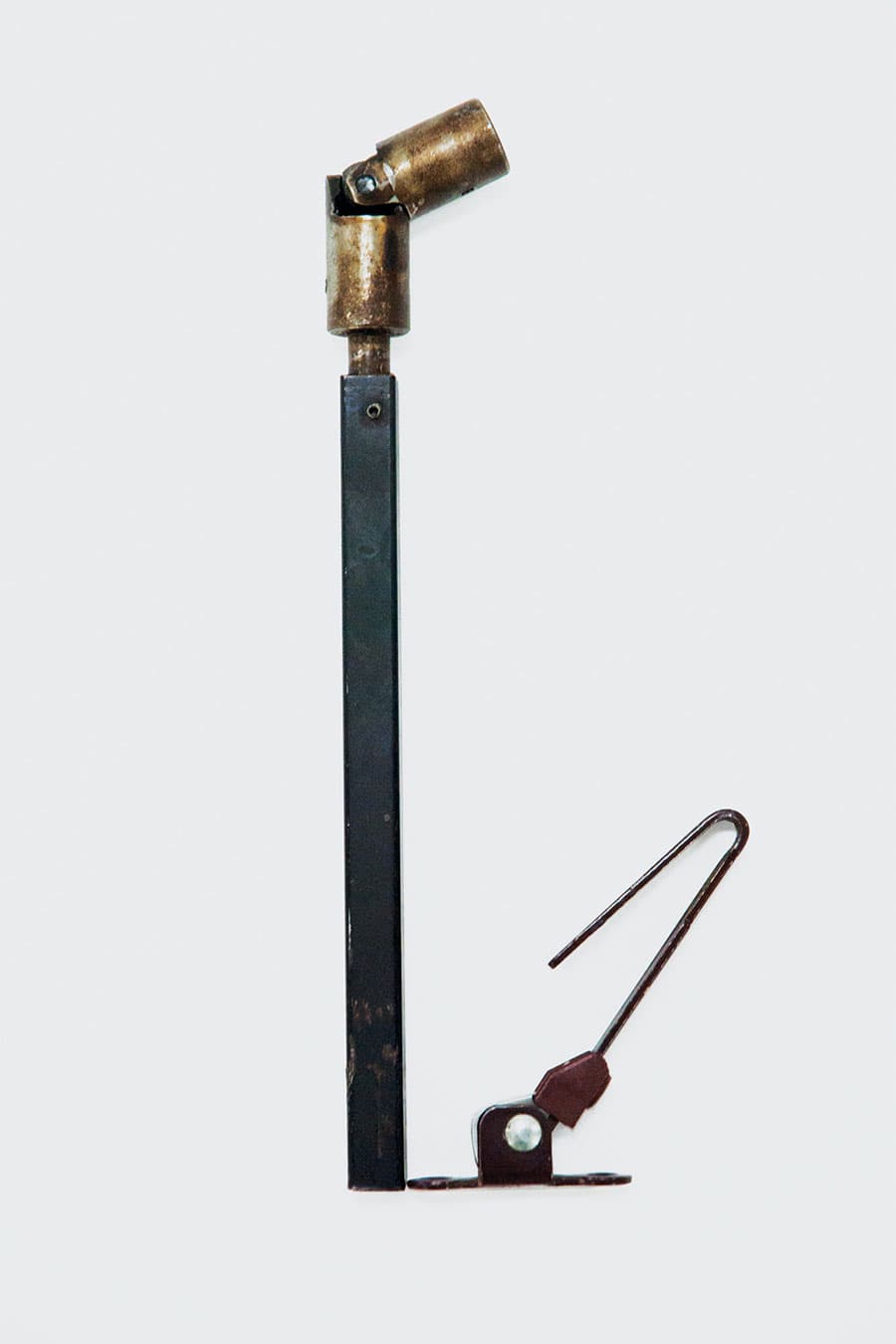
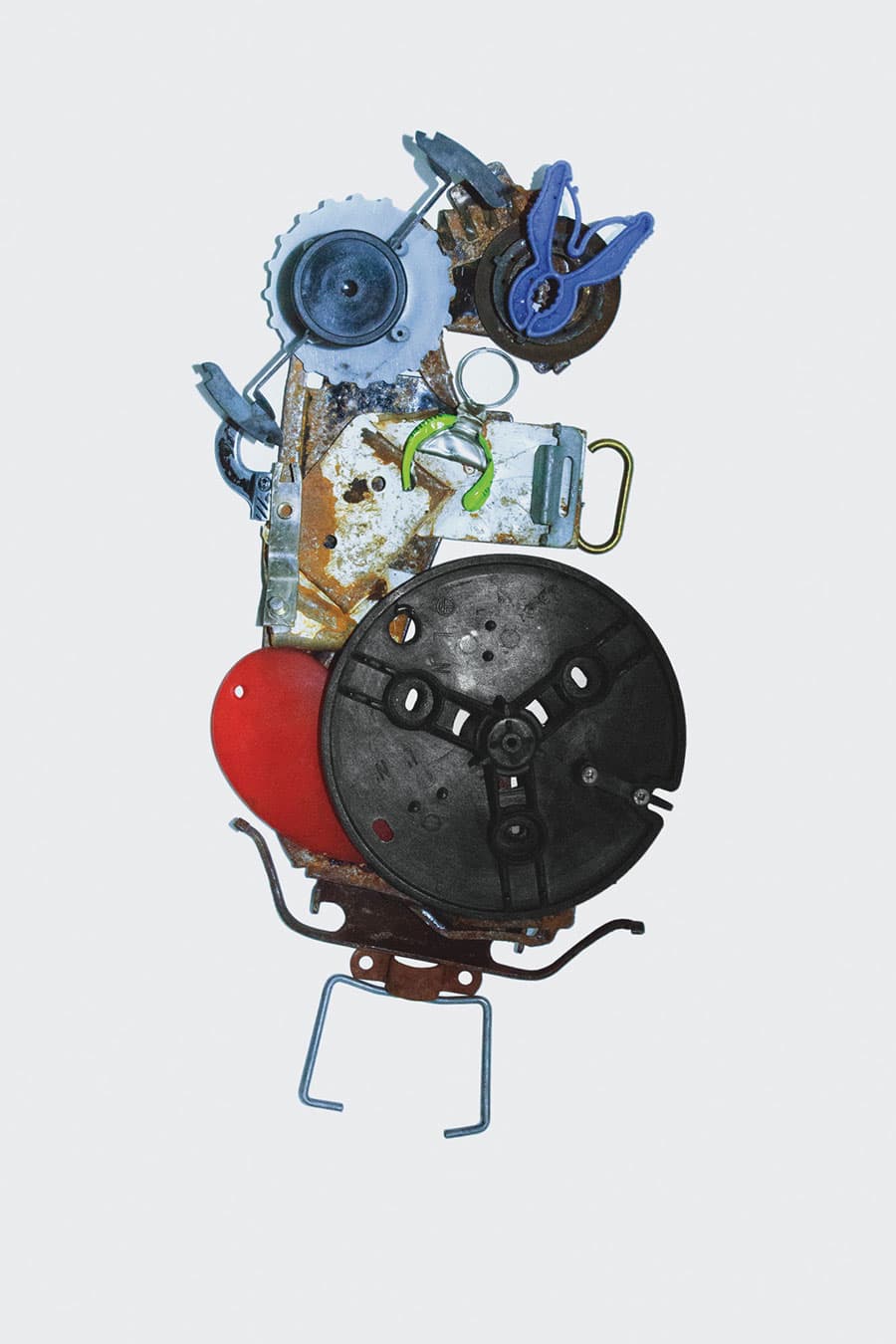
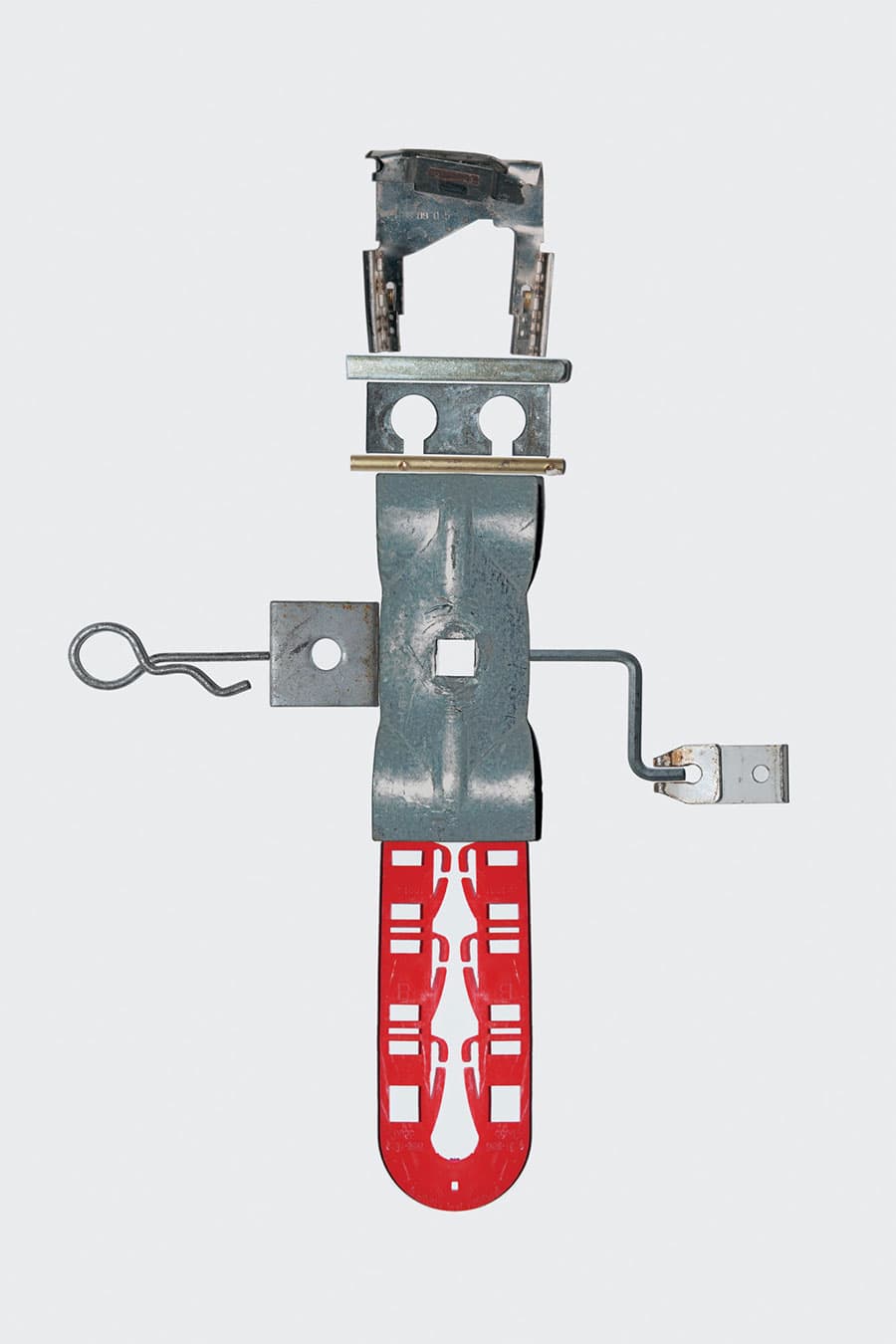
These 'Combination Prints' are constructed through the individual collection of singular objects in built environments, and go through an editing phase whereby the objects are montaged into a formal register, and then into a finite image.
The objects are archived in a method which dismembers their image-orientated-artefact status, and are ordered through a classical categorisation approach kindred to physical indexical systems, i.e. by being placed in A4 and A3 archival boxes in denominations relative to an objects size, colour, material, weight or volume.
The provenance of the elements are yet to be fully identified, although an intention exists to collate a segregated process in which a mirror of the object and image based components are likewise made visible, in the form of a text.
PAKT Gallery, Amsterdam, NL